 May, 2026
  450 views
  3 min Read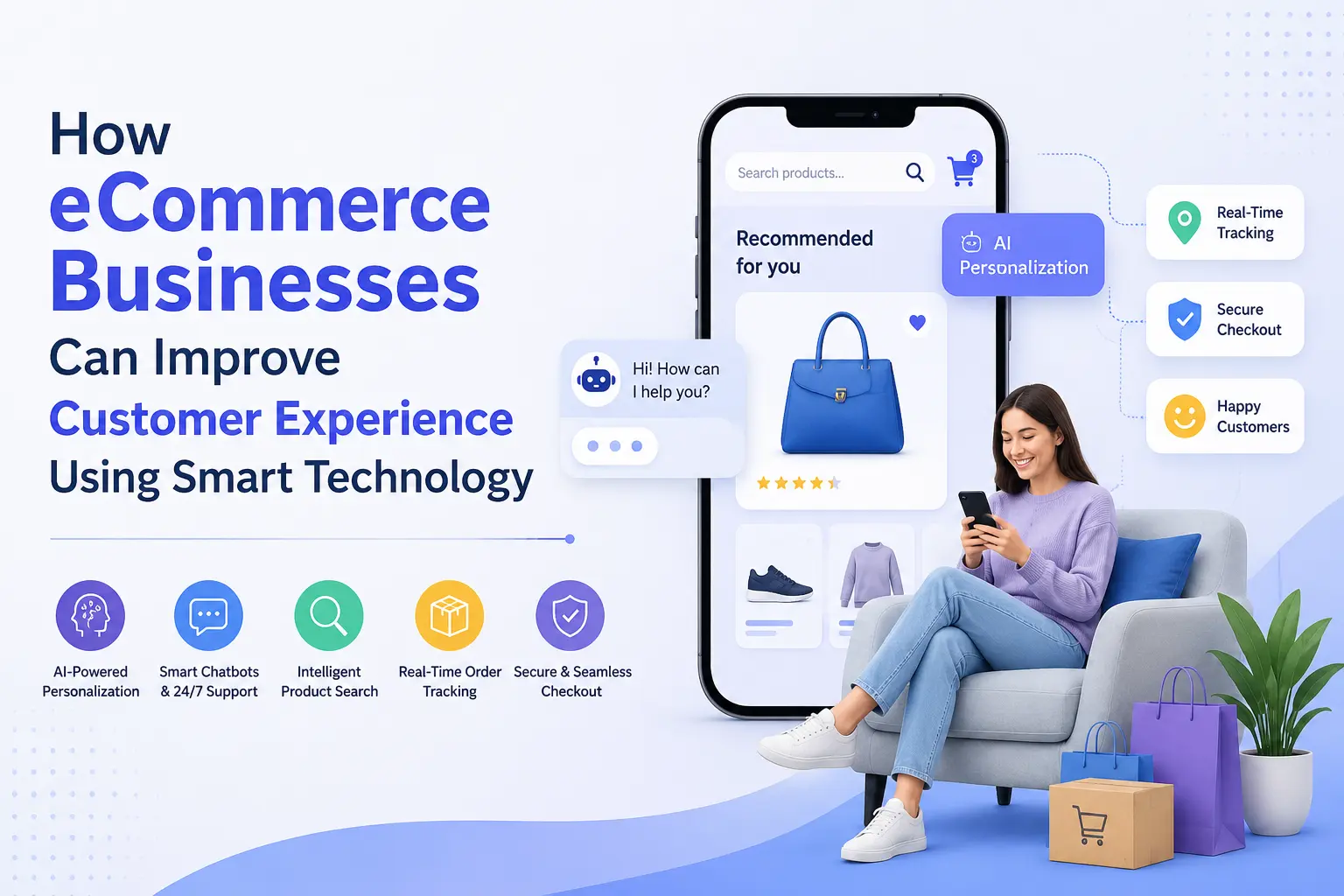
What makes a customer stay on your store instead of leaving in seconds? It sounds simple, but it really is not. One click and they are gone. One bad experience and they never return. This is how fragile online shopping has become today.
A few years ago, people were fine with slow websites and basic product images. Not anymore. Now they expect speed, clarity, and something more. Something that feels personal. Almost human. And when they don’t get it, they leave quietly. No complaints. Just gone.
I remember browsing an online store once. The product looked good, but the page felt empty. No video. No explanation. No guidance. It felt like guessing. I closed the tab in less than a minute. That is exactly what thousands of customers do every single day.
That is why improving eCommerce customer experience is not just a strategy. It is survival. Businesses are now turning to smart technology to fill the gaps. To make things smoother. Faster. More engaging. And sometimes, even a little fun.
This article explores how these technologies are quietly changing the way people shop online. And why ignoring them might cost more than you think.
Customer experience is not just about buying. It starts way before that. The moment someone lands on your website, the journey begins with what they see. How fast does it load? How easy it feels. All of it matters.
Think about a customer visiting your store for the first time. They don’t know your brand. They don’t trust you yet. They are looking for signals. Clean design. Clear product info. Smooth navigation. Small things, but powerful.
If something feels off, even slightly, they hesitate. Maybe the images are unclear. Maybe the description is too long. Or worse, too short. They start doubting. And doubt kills conversions.
Good customer experience removes that doubt. It guides the user without forcing them. It answers questions before they even ask. It feels natural. Almost invisible. And this is where smart technology comes in. Not as a replacement. But as an enhancer. It fills the gaps humans often miss.
Technology has changed everything, not in a loud way, but in subtle layers. You don’t always notice it, but it is there. Working in the background. Watching behavior. Learning patterns. Adjusting experiences.
Imagine a store that remembers what you like. Shows you products you actually want. Helps you find things faster. That is not magic. That is smart tech.
Businesses today are using tools that analyze customer behavior in real time, such as what they click. Where they pause, when they leave, it sounds a bit intrusive, but it helps. When used right, it creates better experiences.
Smart technology does not just make things faster. It makes them smarter. And customers can feel the difference, even if they don’t know why.
1. Personalization Through Artificial Intelligence
Personalization feels small, but it hits deep. When a store shows you something that matches your taste, you notice. It feels like someone is paying attention.
AI makes this possible. It studies behavior. Quietly. Consistently. Then it adapts. A customer browses sneakers. Leaves. Comes back later. Now the homepage shows similar styles. Maybe even better ones. That is AI working behind the scenes.
- It helps businesses in many ways
- It shows relevant products
- It sends targeted emails
- It adjusts content based on behavio
But there is a fine line. Too much personalization can feel creepy. Too little feels generic. Finding balance is key. And not every store gets it right. Still, when it works, it works really well. Customers feel understood. And they stay longer.
2. Chatbots and Real-Time Customer Support
There was a time when customer support meant waiting. Long emails. Delayed replies. Frustration. Now, things are different. Chatbots changed the game.
A customer lands on your site. They have a question. Instead of leaving, they click a chat icon. Instant response. No waiting. No guessing. It may not be a human, but it helps. And sometimes, that is enough. Chatbots can:
- Answer common questions
- Guide users through products
- Help with orders
But they are not perfect. Sometimes they misunderstand. Sometimes they give generic replies. It can get annoying. But overall, they reduce friction. And that matters more.
3. Interactive Product Visualization with Videos
This is where things get interesting. Customers can’t touch products online. They can’t feel them. That is a big limitation. But video helps bridge that gap.
I once saw a product page with a simple video. Just a person using the product. Nothing fancy. But it changed everything. Suddenly, the product felt real. That is the power of visual storytelling.
Product videos help customers understand features better, see real usage, and build trust. Especially when using WooCommerce product videos, store owners can turn static pages into interactive experiences. It feels less like shopping. More like exploring. And customers like that
4. Shoppable and Live Video Experiences
Now imagine watching a video and buying directly from it. No extra steps. No searching again. Just click and purchase. That is a shoppable video. It feels smooth. Almost effortless. And that is why it works.
Live video takes it further. A real person. Showing products. Answering questions. In real time. It feels human. Raw. Unfiltered. Customers can ask questions. Get instant replies. It builds connection. Something traditional eCommerce often lacks
It is not perfect. Sometimes streams lag. Sometimes things go wrong. But that imperfection makes it real. And real builds trust.
5. Augmented Reality and Visual Commerce
Augmented reality sounds complex, but the idea is simple. Let customers see products in their own space. A sofa in their living room. A pair of glasses on their face. A watch on their wrist. It removes guesswork. And guesswork is a big problem in online shopping.
When customers can visualize products, they feel more confident. Less hesitation. Fewer returns. Not every business uses AR yet. It can be expensive. A bit tricky to implement. But those who do stand out.
6. Smart Search and Voice Commerce
Search is often ignored. But it is one of the most important parts of an online store. If customers can’t find what they want quickly, they leave. Smart search fixes this. It understands intent. Not just keywords.
Type something slightly wrong, and it still works. Use casual language; it still understands. That is powerful. Voice search adds another layer. Just speak, and results appear. It feels futuristic, but it is already here. Not everyone uses it yet. But it is growing. Slowly. Steadily.
7. Data Analytics for Customer Insights
Data sounds boring. But it tells stories. Real ones. Every click. Every scroll. Every exit. It all means something. Businesses that pay attention to this data can see patterns. What works. What does not? Where customers struggle.
It helps them improve pages, fix issues, and understand behavior. But too much data can overwhelm. It needs interpretation. And not every team has that skill. Still, ignoring data is worse. Because then you are just guessing.
8. Seamless Checkout and Payment Solutions
Checkout is the final step. But also, the most sensitive one. Everything can go right, but if checkout is complicated, customers leave. It happens more often than you think.
Smart technology simplifies this one-click checkout, multiple payment options, and secure transactions. It removes friction. And friction is the enemy of conversions. Customers want speed. They want ease. If it feels like work, they quit.
9. Automation for Efficiency and Consistency
Running an eCommerce store is not easy. There are too many moving parts. Orders. Inventory. Emails. It gets messy. Automation helps clean that up. It handles repetitive tasks. Quietly. Efficiently.
Things like order confirmations, stock updates, and email campaigns. It saves time. Reduces errors. Keeps things consistent. But relying too much on automation can make things feel robotic. So again, balance matters.
10. Omnichannel Integration
Customers don’t stick to one platform. They move. From mobile to desktop. From social media to websites. And they expect consistency. Omnichannel integration connects everything. So, the experience feels smooth. No matter where they are.
Start browsing on the phone. Continue on the laptop. Complete the purchase later. It all syncs. It sounds simple. But it requires strong systems behind the scenes. When done right, it feels effortless. When done wrong, it feels broken.
Customer experience is no longer a bonus. It is the core of eCommerce success. Smart technology is not replacing human touch. It is enhancing it. Filling gaps. Improving flow. Making things easier. But technology alone is not enough. It needs intention. Strategy. Understanding.
Because at the end of the day, customers are not looking for technology. They are looking for ease. Clarity. Trust. Businesses that understand this and use technology wisely will always stay ahead. Others might struggle even if they don’t realize it yet.